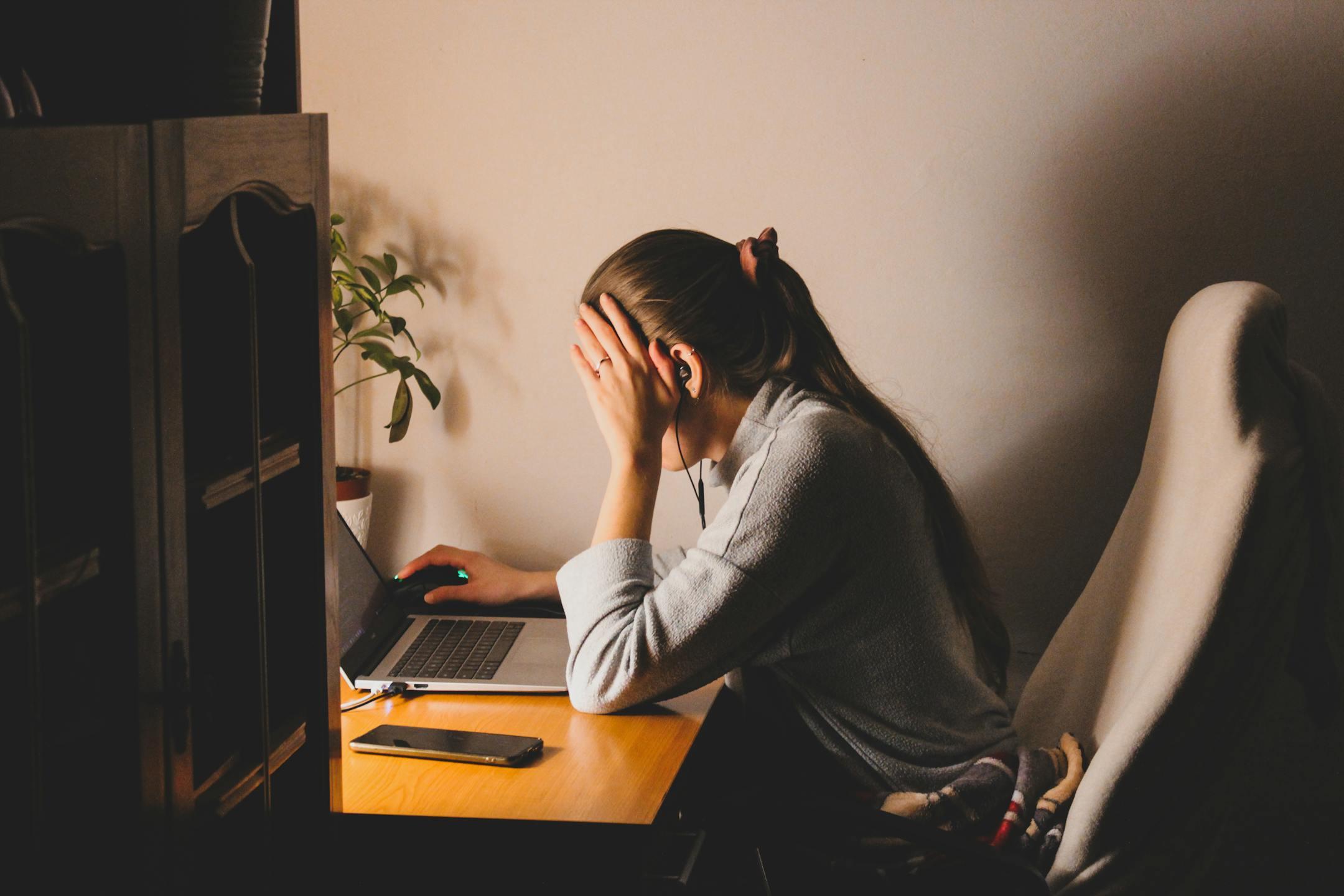
Stress and burnout are increasing across the Arab world due to intense demands at work, economic uncertainty, cultural expectations and constant pressure to stay strong. Many Arabs normalize chronic exhaustion because they believe it is part of being responsible or productive. However, burnout develops quietly through emotional fatigue, loss of motivation and physical symptoms that people usually ignore. Fast paced social changes, financial strain and long hours make it even harder for individuals to slow down. This page explains why burnout is rising and how therapy can support long term emotional recovery.
Overwork, rising living costs, long hours, career demands and family responsibilities create nonstop pressure across many Arab countries. Economic instability, rapid societal change and the expectation to handle everything without complaint make emotional fatigue very common. Many people continue pushing themselves because slowing down is often seen as weakness. These pressures create a cycle of stress, exhaustion and overwhelm that builds silently over time.

Burnout can appear slowly through fatigue, irritability, sadness, headaches, insomnia and a drop in motivation. Many people begin to withdraw from others, experience anxiety, lose patience or feel guilty for not performing perfectly. These symptoms are often dismissed as normal stress even when they signal deeper exhaustion. Perfectionism, pressure to meet expectations and a sense of helplessness can make daily life feel overwhelming. For guidance on recognizing when support is needed, visit
Across many Arab cultures, people are expected to succeed, provide for their families and stay emotionally strong. Men and women both face pressure to carry responsibilities without showing strain. Many avoid speaking about emotional fatigue because they fear appearing weak or ungrateful. Productivity, honor and self sacrifice are often valued more than rest, which leads people to push far past their limits. To understand how these pressures shape emotional health, read

Work environments across KSA, UAE, Qatar and Kuwait can create high levels of stress due to long hours, fast paced expectations and competitive workplaces. Many employees work under strict deadlines, frequent performance evaluations and heavy workloads that drain both physical and emotional energy. The pressure to excel and maintain stability in a rapidly changing region increases the risk of burnout. Support for anxiety and stress is available through

Therapy offers tools that help people manage stress, rebuild energy and regulate emotions. Cognitive Behavioral Therapy teaches clients how to challenge negative thoughts and reduce anxiety. Stress management techniques improve coping skills and help balance work and personal life. Therapists also guide clients through boundary setting, lifestyle changes and emotional awareness so recovery becomes sustainable.
Online therapy allows clients to receive support without dealing with traffic, long commutes or social pressure. Many Arabs prefer online sessions because they offer privacy, flexibility and consistency even when traveling or living abroad. Online therapy reduces the stress of scheduling and makes it easier to speak openly about emotions. It is a safe space for individuals experiencing burnout to rebuild energy and confidence.

Fatigue, irritability, sadness, ongoing stress, withdrawal and sleep problems are common signs. Many people also experience headaches, anxiety and perfectionism that gradually turn into emotional exhaustion.
Recovery depends on how long a person has been under pressure, how severe the exhaustion is and how much support they receive. With therapy and lifestyle adjustments, many people feel improvement within weeks.
Yes, online therapy is effective for managing workplace stress because it offers flexibility, privacy and easy access to guidance. Clients can discuss challenges openly without feeling judged.
Cultural pressure to stay strong, provide for family and perform well makes burnout more common. Many people avoid seeking help because they fear appearing weak. For more on emotional strain, visit
Chronic burnout can increase the risk of both conditions. Emotional exhaustion affects mood, sleep and stress levels, which can gradually develop into more serious mental health concerns.
Stay updated on our news and events! Sign up to receive our newsletter.
 Contact us