Across the Arab world, more people are quietly struggling with anxiety and depression than ever before. Political instability, financial uncertainty, migration, academic and work pressure, and social expectations all create a heavy emotional load that many Arabs carry in silence. In many families, people are told to be grateful, to stay strong, or to keep problems inside, which makes it even harder to talk openly about mental health. At the same time, social media and constant comparison can deepen feelings of failure, guilt or loneliness. Learning to recognize the symptoms of anxiety and depression is a powerful first step, because it turns vague suffering into something that can be named, understood and treated with the help of a qualified therapist.

Anxiety and depression among Arabs do not appear in a vacuum. Many people across the Gulf, Levant and North Africa grow up in environments shaped by instability, conflict, or rapid social change. Families face rising living costs, job insecurity and academic pressure, while also carrying strong expectations around success, marriage and reputation. Social media creates a constant sense of comparison and urgency, and many people feel they are permanently behind. At the same time, cultural norms often encourage silence, patience and endurance instead of open discussion about emotions. All of this creates a perfect storm where stress accumulates inside the body and mind until it shows up as anxiety, depression or both. For a deeper understanding of how these pressures affect everyday life, you can explore our page on mental health in Lebanon.
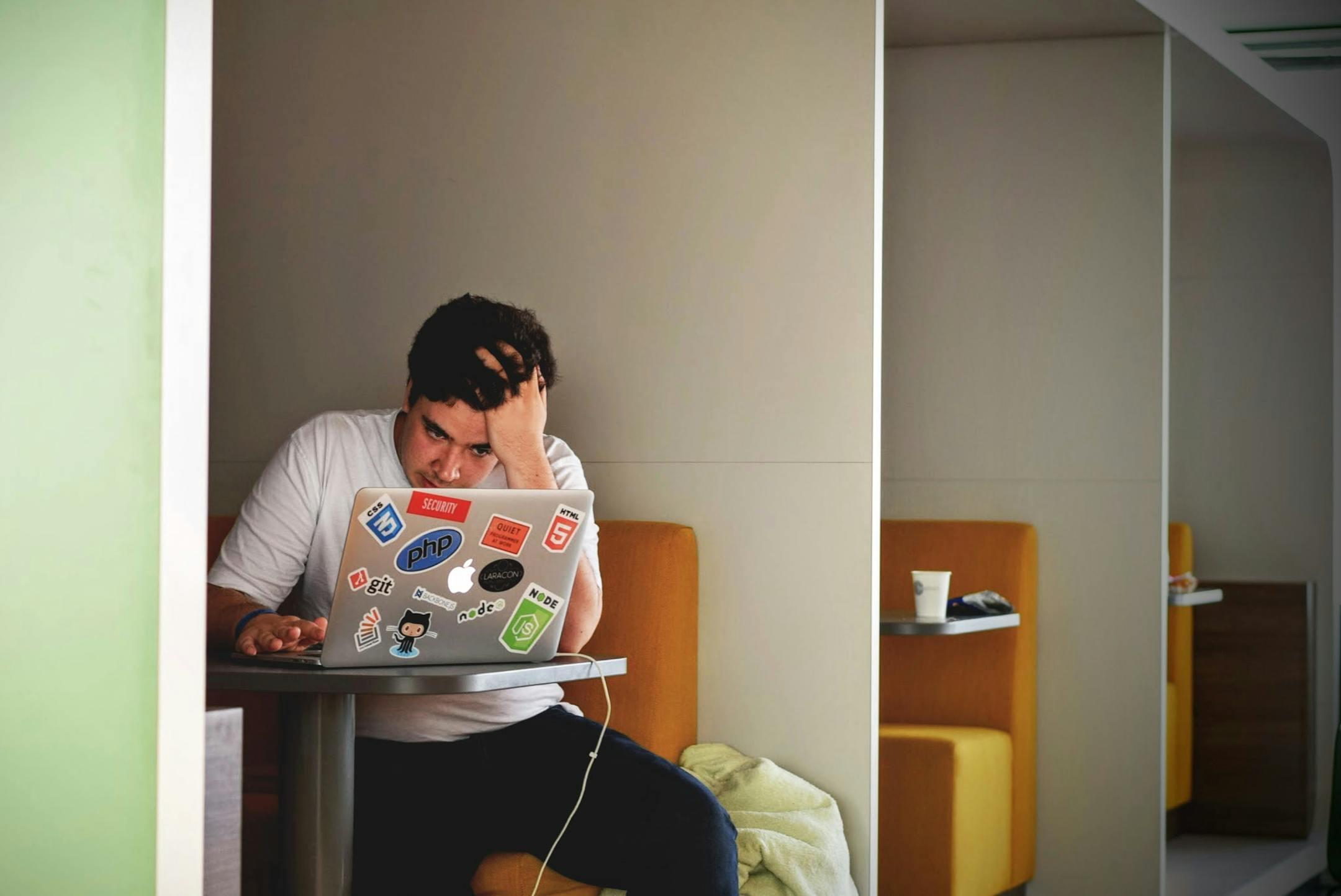
Many Arab clients describe anxiety and depression using everyday words like tired, empty, stressed or confused rather than clinical language. Anxiety can show up as constant overthinking, racing thoughts, intense worry about the future, difficulty relaxing and sudden waves of panic. Depression often feels like deep sadness, loss of interest in life, heaviness in the body, guilt, hopelessness or emotional numbness. Both conditions can also cause physical symptoms such as headaches, stomach issues, chest tightness, fatigue and insomnia or disturbed sleep. Over time, people may withdraw from friends, struggle to concentrate at work or university, or feel that nothing brings real joy anymore. If you are unsure whether what you feel is serious enough to need support, you may find it helpful to read our guide on how do I know if I need therapy.

In Arab cultures, emotional pain is rarely just personal, it is deeply connected to family, identity and reputation. Many people grow up hearing that family problems should stay inside the home, that real believers should be patient, or that talking about mental health is a sign of weakness or lack of faith. Shame and fear of gossip can stop someone from telling even their closest relatives that they are struggling with anxiety or depression. Some feel torn between personal needs and family expectations around marriage, career choices or gender roles, which can create chronic inner conflict. Others carry religious guilt, believing that feeling hopeless or anxious means they are not grateful enough. Communication can be indirect or emotionally restricted, which makes it hard to say I am not okay in simple words. For many, a safe and neutral space with a culturally aware therapist is the first time they can speak freely. You can read more about this kind of support on our page Online therapy for Arabs across the Arab world.

Therapy for anxiety and depression is most effective when it respects both the science and the culture of the person in front of the therapist. Cognitive Behavioral Therapy (CBT) helps clients understand how thoughts, emotions and behaviors are connected, and teaches practical tools to reduce worry, manage panic and challenge self critical patterns. Emotional processing work allows people to safely explore grief, disappointment, anger or fear that they have never fully expressed, especially around war, migration or family experiences. Sessions often include stress reduction strategies, sleep hygiene, grounding techniques, lifestyle adjustments and healthier boundaries in relationships. A culturally sensitive therapist also understands the role of religion, family, gender roles and community, and will help you find solutions that fit your values instead of pushing you to rebel against everything you know. If you are wondering whether therapy actually works for these issues, you can explore our page on does therapy really work for anxiety and depression.
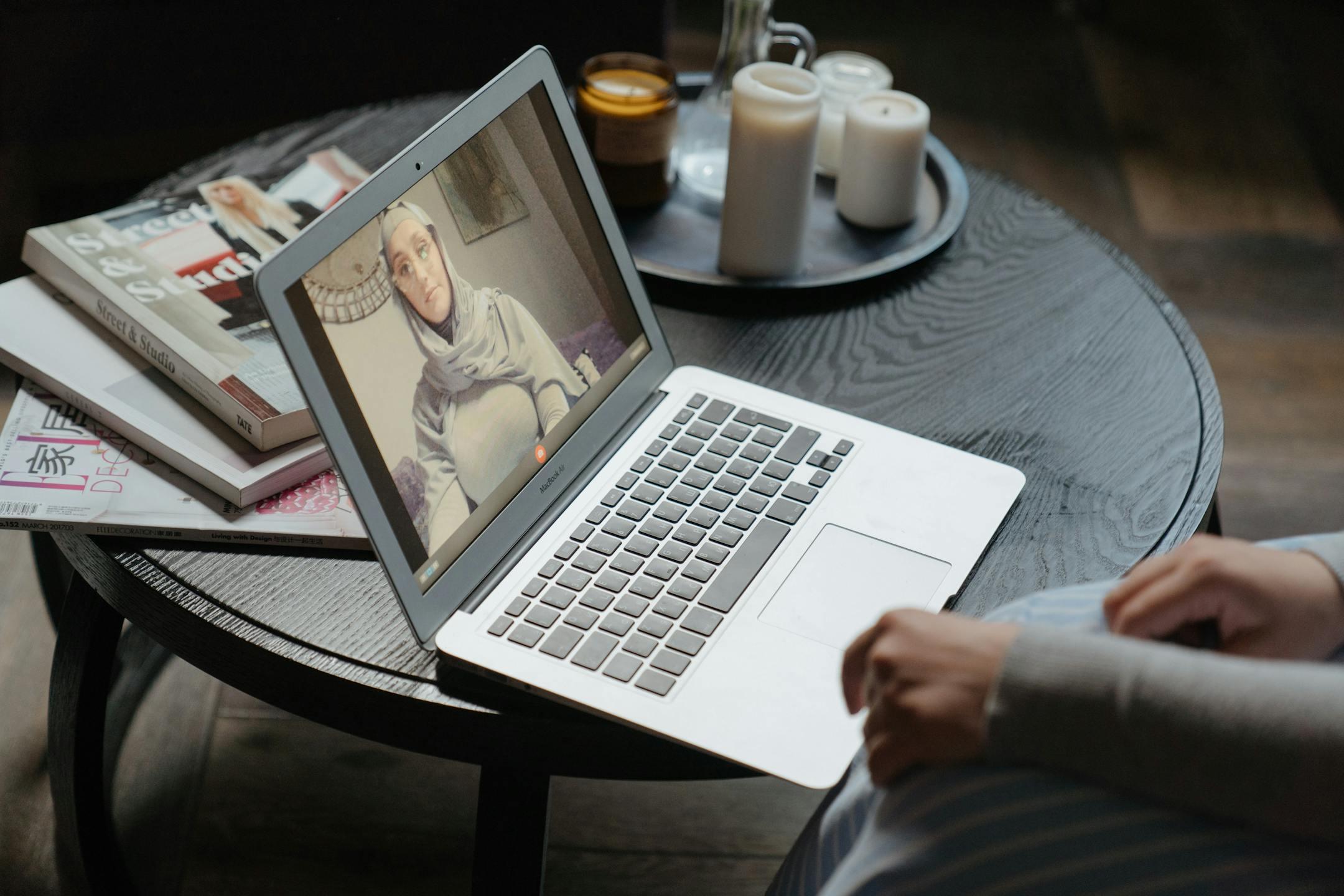
Many Arabs learn from a young age to appear strong, grateful and in control, no matter what is happening internally. People worry that if they talk about their anxiety or depression, they will be judged, misunderstood, or seen as weak, dramatic or ungrateful. Some fear that it may affect their chances of marriage, their reputation at work, or the way relatives treat them. Others worry that their problems will become a burden on parents who are already stressed, or that their struggles will be minimized with phrases like everyone has problems or you just need to pray more. This pressure to carry everything alone can deepen feelings of isolation and make symptoms worse over time. In reality, seeking help is a sign of courage and responsibility, not failure. To understand how professional support works in practice, you can read more on our page about therapy in Lebanon.

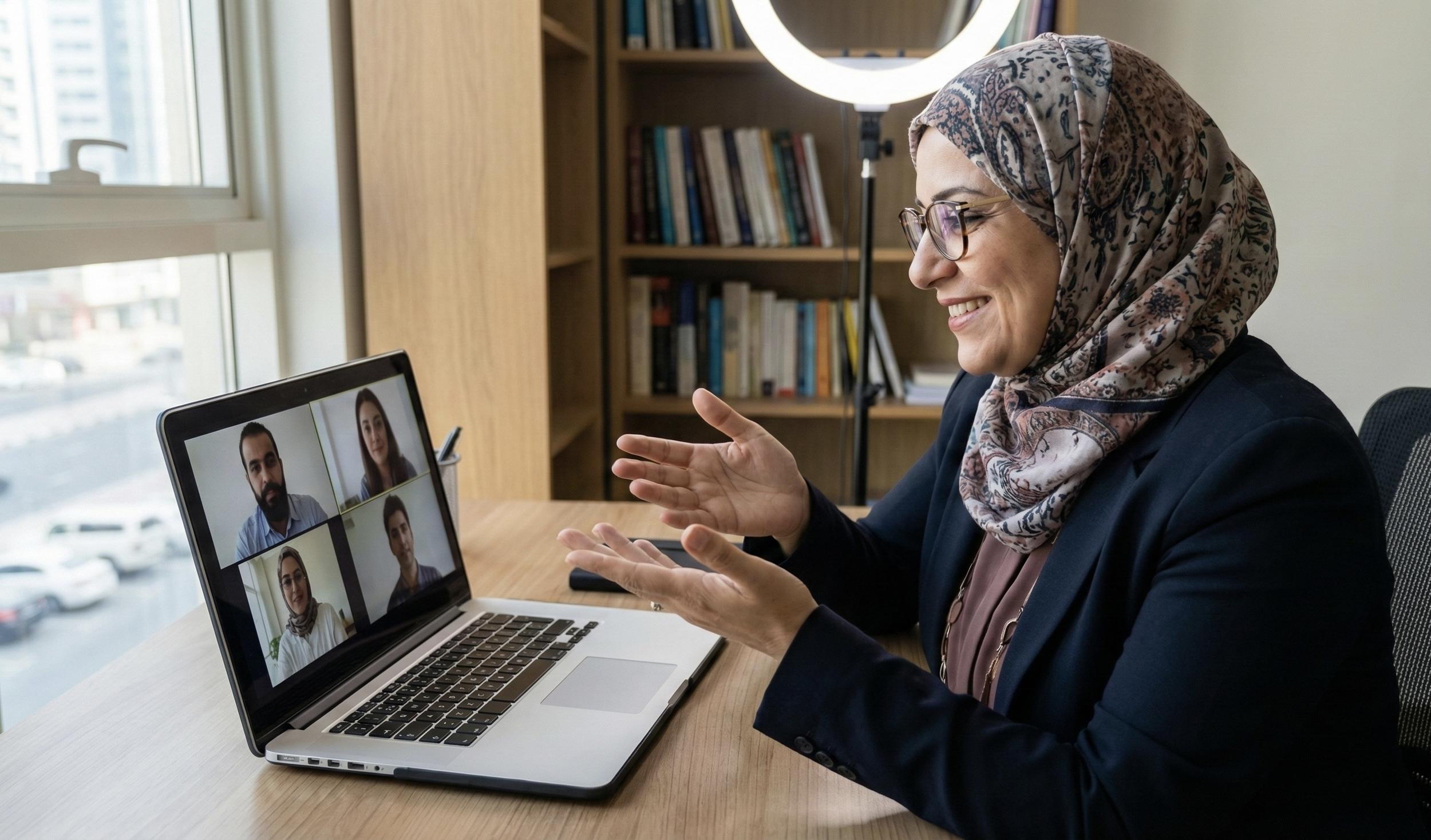
Online therapy offers a flexible and discreet way for Arabs around the world to access mental health support without leaving their home. For people living in small communities, conservative families or countries where mental health services are limited, online sessions provide privacy and comfort while still offering professional care. Clients can connect with culturally aware therapists who understand Arab family dynamics, language, religion and social codes, whether they are in the Gulf, Levant, North Africa or living abroad. Video sessions allow you to speak freely from your own room, avoid long commutes and maintain continuity even during travel or relocation. Many clients find it easier to open up emotionally when they are in a familiar environment. If you are worried about confidentiality, you can learn more from our page on are therapy sessions confidential.
Below are some of the most common questions Arab clients ask about anxiety, depression and therapy. These answers are not a substitute for personal assessment, but they can help you understand when it is time to seek support, what to expect from therapy and how privacy is protected. If you see yourself in any of these descriptions, it may be the right moment to speak with a qualified therapist who understands your background and your reality.
Many Arabs describe anxiety as feeling constantly on edge, overthinking, unable to relax and worried about the future or about disappointing others. Depression often shows up as deep sadness, loss of interest in daily life, emotional numbness, guilt, low energy and difficulty getting out of bed or taking care of basic tasks. Physical symptoms like headaches, chest tightness, stomach issues and sleep problems are also very common. If these signs last for more than a couple of weeks and start to affect work, study, relationships or faith, it is important to consider professional help.
You should seriously consider therapy if your anxiety or depression has been affecting your daily life for more than a few weeks, if you feel stuck in repetitive cycles of worry or sadness, or if you notice that your work, studies, relationships or spiritual life are suffering. Warning signs include losing interest in everything, feeling hopeless about the future, having thoughts about not wanting to be alive, or using unhealthy coping methods such as substance misuse or self harm. You do not need to wait until things are unbearable. Getting help early can prevent symptoms from becoming more severe and can make recovery faster and more stable.
No. Wanting to feel better is not a sign of weakness, it is a sign of responsibility and self respect. In many Arab families, people are taught to endure, to stay quiet and to avoid talking about personal problems, which can make it hard to ask for support. But just like you would not ignore a serious physical illness, it is wise to address emotional pain before it gets worse. A good therapist will never judge your faith, values or family, and will work with you to find solutions that respect your identity.
Therapy provides a structured and safe space to process experiences that may be too heavy to share with friends or relatives. If your anxiety or depression is connected to war, displacement, financial hardship or family conflict, a trained therapist can help you organize your story, understand how these events affected your nervous system, and develop tools to cope. Techniques may include grounding exercises for panic, strategies for setting healthier boundaries, and step by step plans to rebuild a sense of control over your life. You do not have to solve everything alone or in one session, progress often comes through small but consistent changes.
Yes, when provided by a professional service, online therapy is designed to be confidential and secure. Sessions happen in private digital rooms, and you can choose a time and location where you feel safe to speak freely. This is especially helpful if you live in a community where people know each other or where mental health is heavily stigmatized. Many clients choose online sessions because they do not want to be seen entering a clinic or explaining where they are going. To understand how this works in practice, you can explore our page Online therapy for Arabs across the Arab world,
Stay updated on our news and events! Sign up to receive our newsletter.
 Contact us
