Trauma affects countless Arabs across the Gulf, Levant, North Africa and diaspora, often shaped by instability, loss and harsh living conditions. Many experience the emotional impact of war, family pressure, migration and sudden life changes yet rarely find a safe space to process these wounds. Online therapy has opened the door to private, secure and stigma free support, giving Arab clients access to licensed trauma therapists no matter where they live. With culturally aligned therapists who understand Arab values, communication styles and family realities, healing becomes more accessible and more effective. Cognitive Analytica offers a structured and compassionate approach designed specifically for Arab experiences with trauma.

Trauma among Arabs often develops within environments marked by uncertainty, community stress and rapid social changes. Many struggle with fear, guilt and pressure tied to family expectations, gender roles, reputation or survival responsibilities. Others carry the weight of financial instability, displacement, childhood adversity or witnessing violence. Because trauma appears in layers, many Arabs normalize suffering and push through without realizing how deeply these experiences impact their minds and bodies.

Arab clients often experience trauma through emotional numbness, panic episodes, intense overthinking and recurring nightmares. The body may respond with muscle tension, stomach pain or constant alertness, while the mind becomes overwhelmed by guilt, self blame or avoidance. Some people feel disconnected from themselves, as if life is happening through a fog. These symptoms are common reactions to overwhelming experiences, especially when support is limited or stigma is high.

Many Arabs are taught to stay strong, stay silent and keep private matters inside the family. Trauma is often dismissed as weakness or drama, leaving individuals afraid to speak about their pain. Social pressure, pride, family expectations and fear of judgment push people to hide their struggles instead of seeking help. This silence can deepen emotional wounds and create long term distress.

Online therapy removes the barriers that prevent many Arabs from opening up about emotional trauma. Sessions are private, discreet and comfortable, making it easier to express difficult feelings without fear of judgment. Clients can access highly trained trauma therapists beyond their country, ensuring quality care even in regions where mental health services are limited. Online sessions also reduce pressure, allowing emotional release in a safe and controlled environment.

Our trauma specialists use modern therapeutic approaches adapted to cultural and emotional realities across Arab communities. CBT for trauma helps clients challenge painful thoughts and build resilience. Exposure based methods reduce avoidance and fear. Grounding techniques give clients tools to regulate overwhelming emotions, while narrative processing helps rewrite difficult memories. Every step of treatment respects Arab identity, values and communication styles.
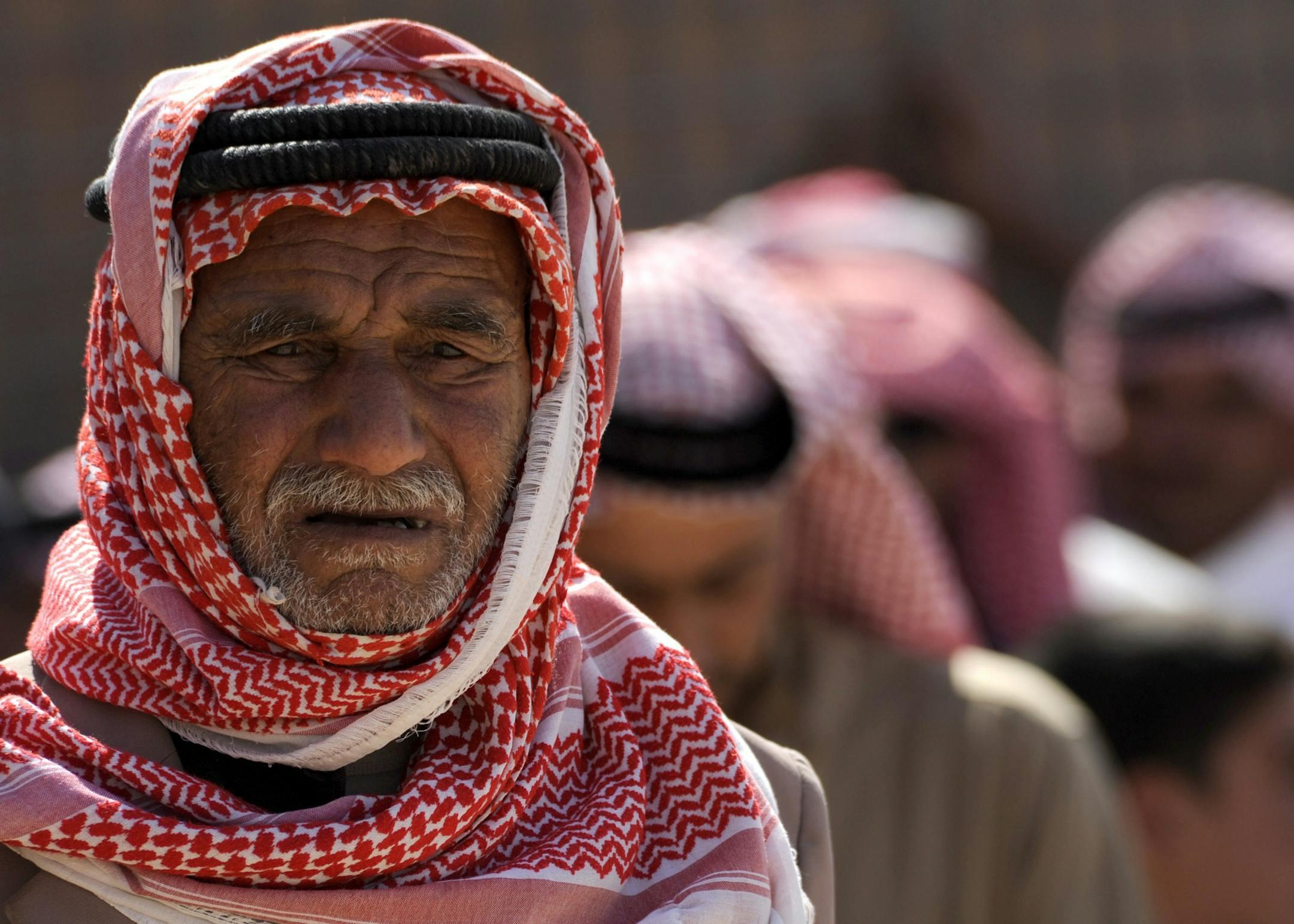
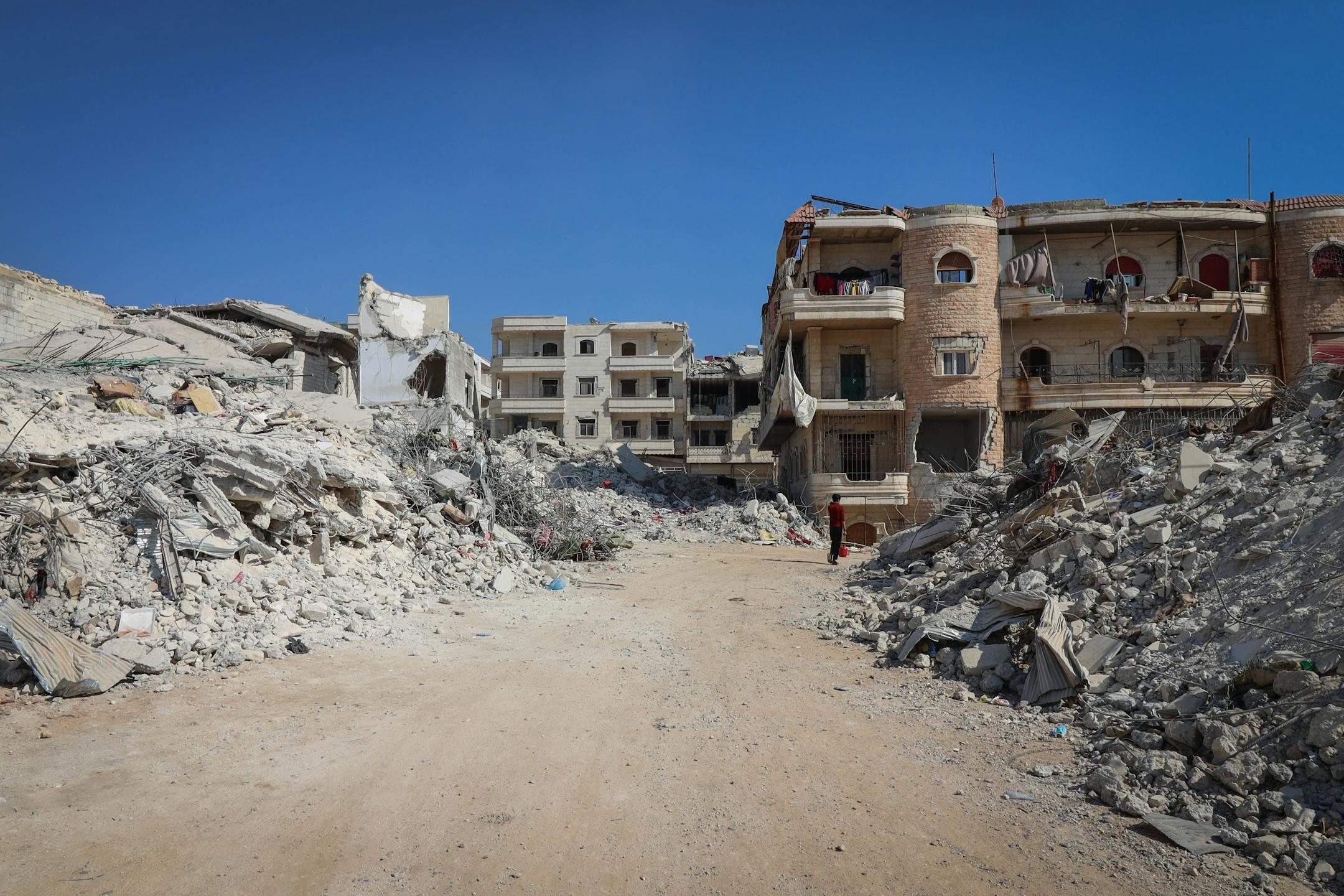
Many Arabs have lived through war, political instability, migration or economic collapse, all of which increase vulnerability to trauma. Families torn apart, sudden loss, constant fear, and the pressure to rebuild life from zero leave long lasting psychological scars. Even those who were not directly involved in conflict may carry generational trauma passed down through fear, silence or family history.
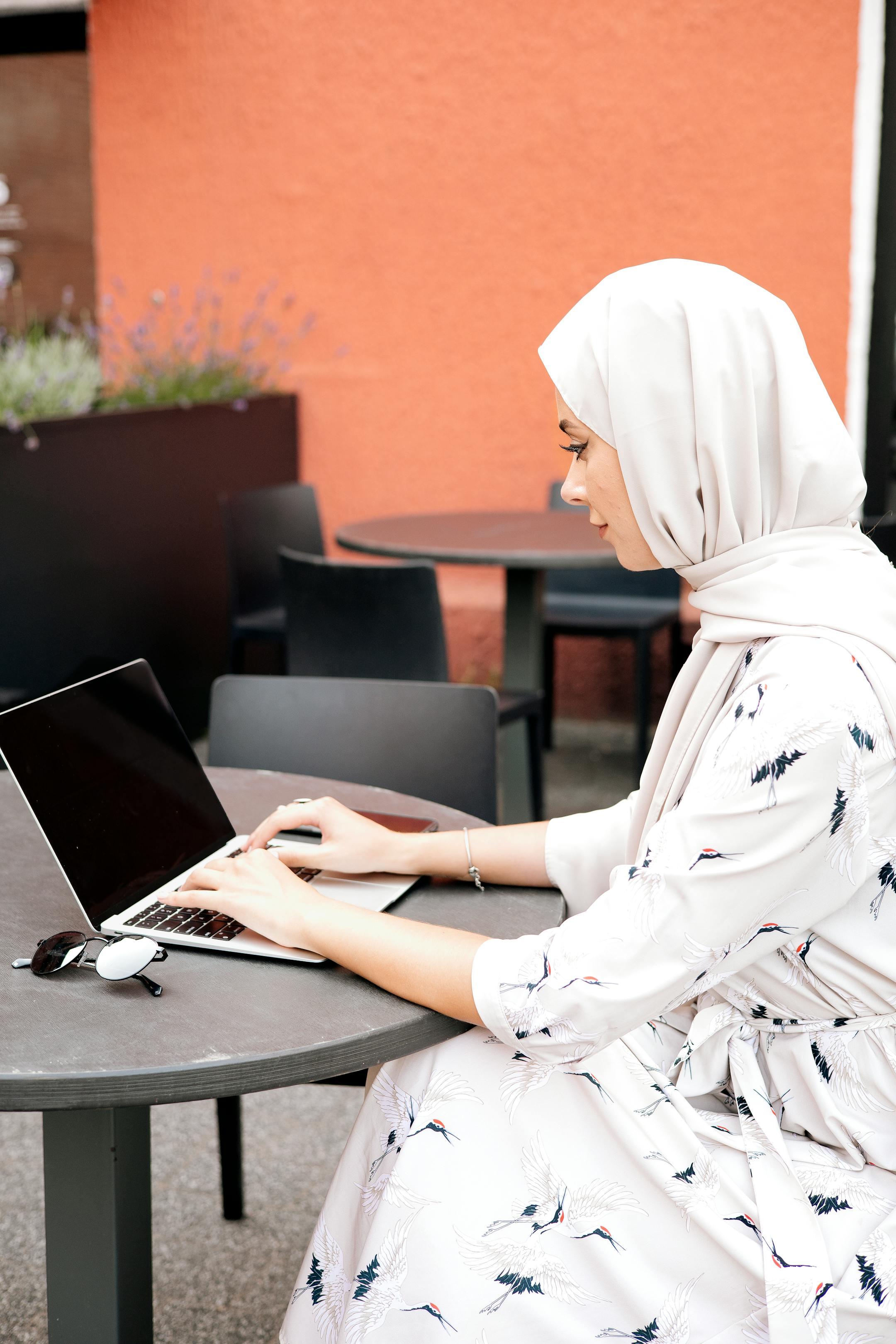
Arabs living abroad often face loneliness, homesickness and identity friction, which can make unresolved trauma harder to ignore. Many feel caught between two cultures, missing family support yet afraid to burden loved ones back home. Trauma can resurface during life transitions, stress or isolation, creating a heavy emotional load. Online therapy gives expatriates a stable and culturally aligned space to process these experiences safely.

Beginning therapy is straightforward and fully confidential. First, you book your preferred time online. Second, you get matched with the trauma therapist most suited to your needs. Third, you receive a confirmation message with all details. Finally, you start sessions through a secure and private platform at the scheduled time. The process is smooth, simple and designed for your comfort.
Many clients experience anxiety, numbness, nightmares, irritability, overthinking and physical tension. These symptoms often appear after difficult life events, conflict or chronic stress.
Healing time depends on your experiences, symptoms and comfort level. Some people feel relief within weeks while others take more time to process deeper wounds.
Yes, online trauma therapy is highly effective for Arab clients because it gives privacy, removes social pressure and offers access to trained specialists regardless of country.
All sessions are fully confidential and protected. Your therapist creates a safe space for open expression. For more details, see our guide:
Look for someone trained in trauma focused approaches, culturally aware, and experienced with Arab communities. Our team guides you through the matching process.
Stay updated on our news and events! Sign up to receive our newsletter.
 Contact us
